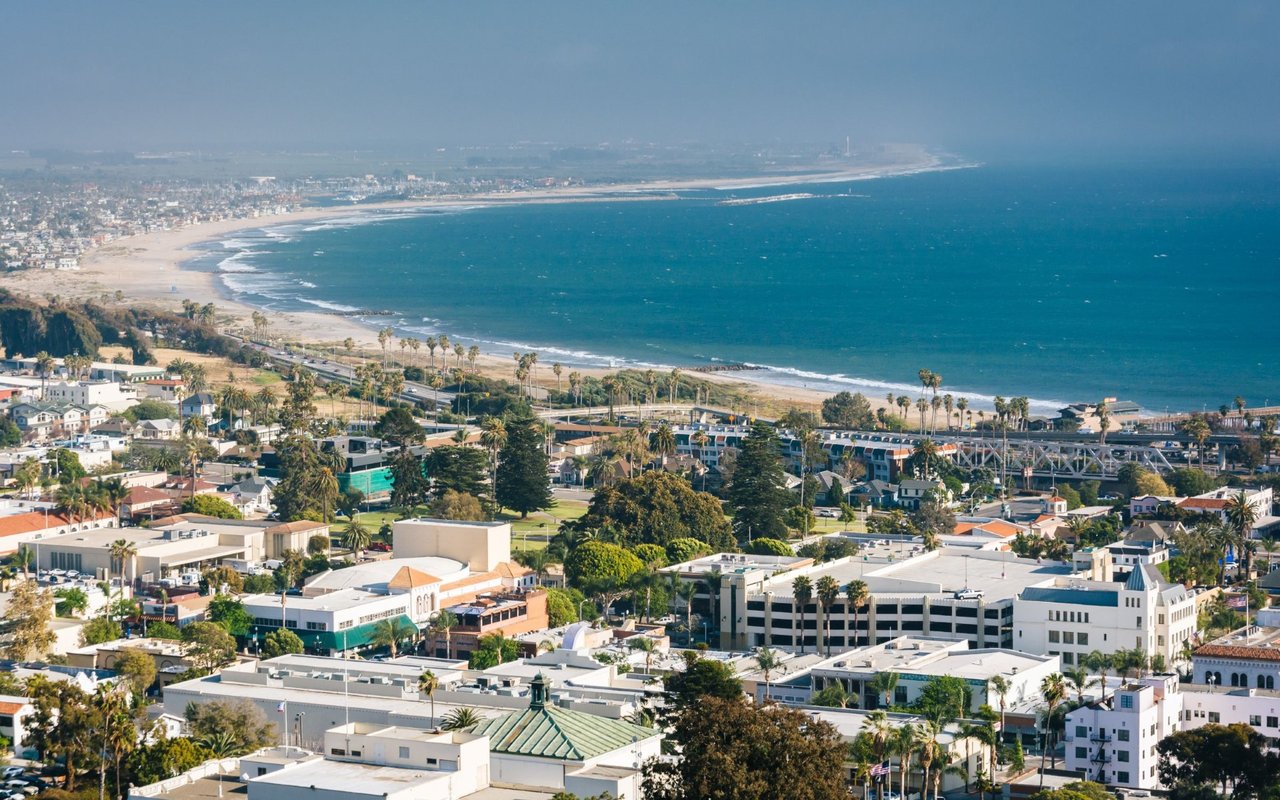
If you could stand near the Ventura Pier about a century ago, you might recognize the ocean.
After that, things would get strange.
Near the beach was an enormous bathhouse complex.
There was a saltwater swimming pool.
A ballroom.
A skating rink.
A movie theater.
A salon.
A rooftop garden overlooking the coast.
And more than 400 changing rooms.
Today?
You can park your car there.
That's one of the strange things about living somewhere for a long time.
Eventually, the city you know gets built on top of the city that used to be there.
Ventura Used to Go to the Beach Differently
The Ventura Pier is so familiar that it's difficult to imagine the waterfront without it.
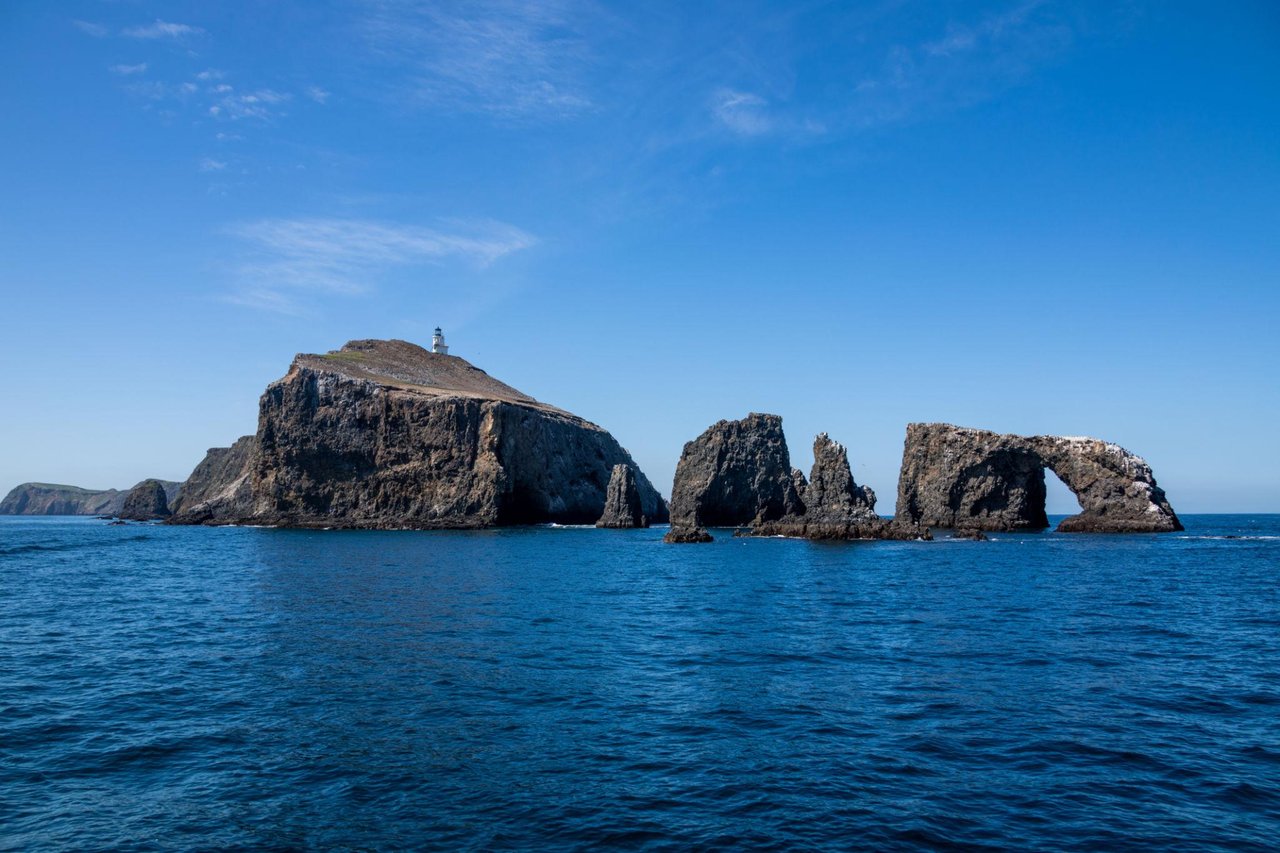
Originally constructed in 1872, the pier once played an important role in Ventura County's agricultural, construction and oil trades. Today, we experience it primarily as somewhere to walk, fish, watch the sunset or stare toward the Channel Islands.
But the waterfront surrounding it once had a completely different social life.
The Ventura Bathhouse wasn't simply somewhere to swim.
It was entertainment.
People danced there.
Skated there.
Watched movies there.
Gathered there.
The beach wasn't merely scenery.
It was the town's living room.
The Museum of Ventura County preserves photographs and records from this era, including the remarkable story of the bathhouse that once stood near the foot of California Street.
And that's what makes old photographs of Ventura so fascinating.
The coastline is recognizable.
The lifestyle surrounding it sometimes isn't.
Oxnard Had a Different Downtown Too
The same thing happened elsewhere in Ventura County.
Before shopping centers and freeway-oriented development changed how Southern Californians moved around, downtown districts played a much larger role in everyday life.
You can still catch glimpses of that era at Heritage Square in Downtown Oxnard.
What's especially interesting is that Heritage Square itself is an act of preservation.
Beginning in the 1980s, 11 historic homes along with a church, water tower, pump house and storehouse were moved to a single downtown block and restored, creating the district that opened in 1991.
Today we admire the Victorian and Craftsman architecture.
But these weren't originally “historic attractions.”
They were simply buildings.
People lived in them.
Worked around them.
Walked past them without thinking twice.
Only later did they become history.
Some Places Disappeared. Others Changed Jobs.
Then there are buildings that survived because they learned how to become something else.
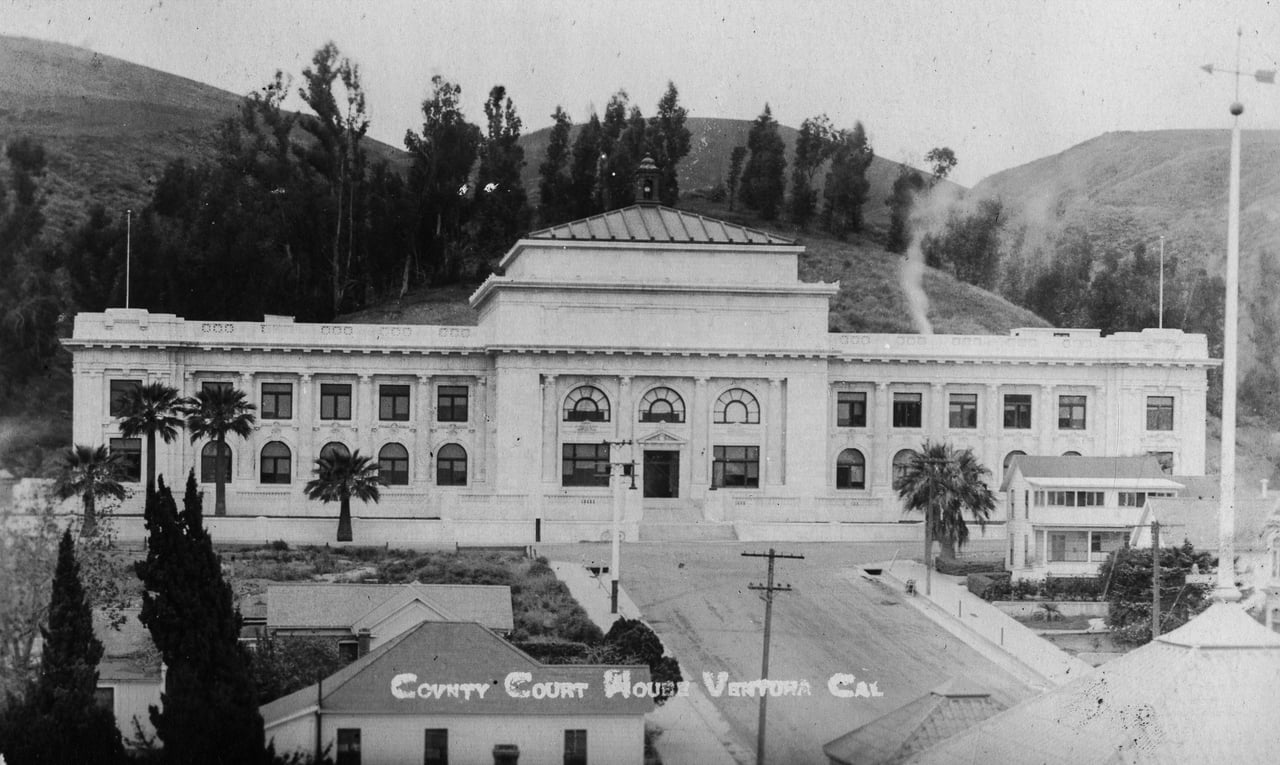
Ventura City Hall wasn't built to be City Hall.
The imposing building overlooking Downtown Ventura was constructed in 1912–13 as the Ventura County Courthouse.
After the courthouse closed, the City purchased the building in 1971 rather than allowing it to be demolished, restored it and eventually gave it an entirely new purpose.
The building stayed.
Its job changed.
That's an important part of preservation that sometimes gets overlooked.
Old buildings don't necessarily survive because we freeze them in time.
Sometimes they survive because we find another reason to use them.
Even the 101 Has History Hiding Beside It
Here's one almost nobody thinks about while driving.
Those towering eucalyptus trees along Highway 101 near Camarillo?
They're history too.
In 1892, Adolfo Camarillo planted 650 eucalyptus trees along the old El Camino Real near Camarillo's eastern entrance. That road eventually became part of today's Highway 101 corridor.
The surviving grove was officially designated Ventura County Landmark No. 3 in 1978.
Think about that.
Something you've probably passed hundreds—or thousands—of times at freeway speed has been standing there since the 19th century.
That's the fascinating thing about local history.
It isn't always behind museum glass.
Sometimes you're doing 65 past it.
What Are We Building Today That People Will Miss Tomorrow?
That's the question all of this leaves behind.
We tend to recognize significance only after something is gone.
The neighborhood restaurant closes.
The old theater disappears.
The building everyone considered outdated gets demolished.
The quirky roadside landmark comes down.
And suddenly people start telling stories.
“You should have seen this place when…”
Every generation has those sentences.
Which means we're probably creating them right now.
Some ordinary place in Ventura County today—a restaurant, building, store, theater, pier or gathering spot—will eventually become something locals remember rather than somewhere they can go.
We just don't know which one yet.
The ROGS Perspective
Real estate usually focuses on what's next.
What's being built.
What's being renovated.
What's coming to market.
But understanding a community also requires occasionally looking backward.
Ventura County didn't arrive fully formed.
It has been built, demolished, restored, repurposed and reinvented over generations.
Some pieces survived.
Others disappeared completely.
And sometimes the only evidence is an old photograph showing something extraordinary standing where today...
we park our cars.
So the next time you pass an old building, storefront, tree or landmark you've seen a thousand times, it might be worth looking twice.
Because one day, someone may point at that exact spot and say:
“You should have seen what used to be here.”