There is something unusual about driving through Ventura County that becomes easy to stop noticing once you've lived here long enough.
You can leave a neighborhood where homes sell for seven figures...
drive five minutes...
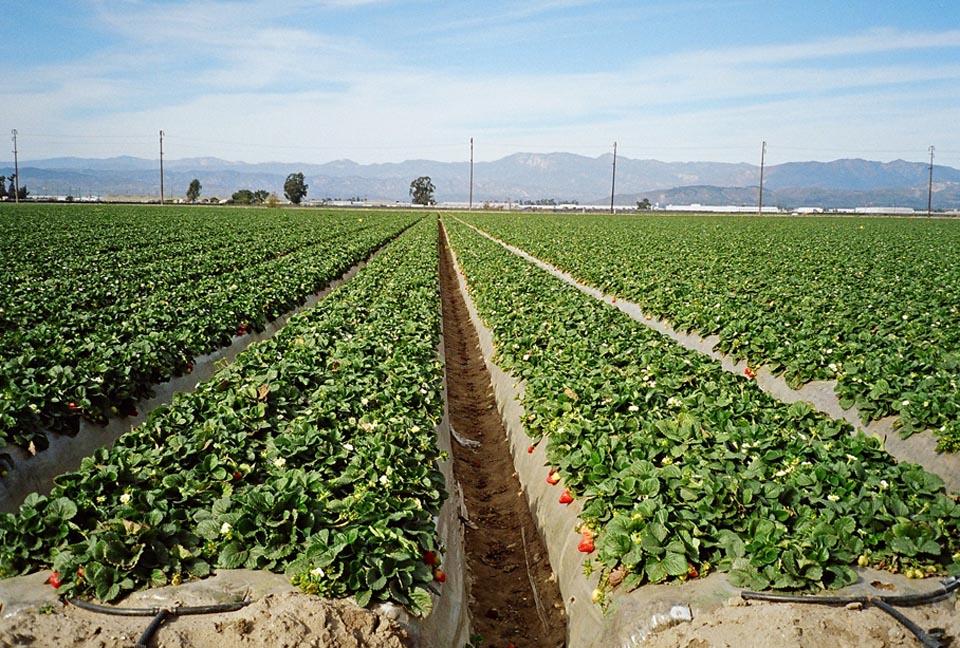
and find yourself staring at a strawberry field.
Drive between Oxnard and Camarillo. Take the 126 toward Santa Paula. Head through Somis. Follow Las Posas Road.
Fields appear between neighborhoods. Citrus groves climb toward the foothills. Tractors share roads with commuters.
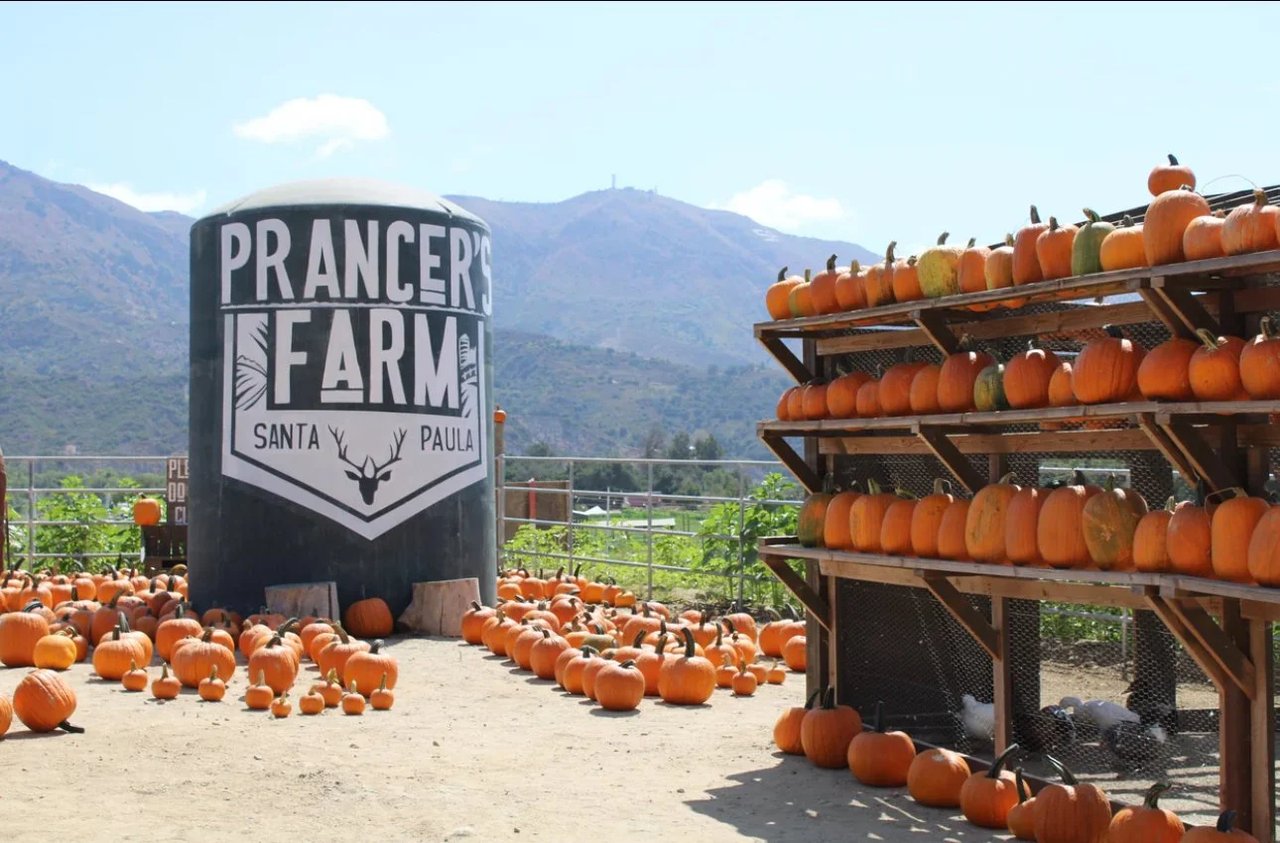
And every so often, there's a small stand beside the road selling produce grown nearby.
In most of Southern California, scenes like this increasingly tell you what used to be there.
In Ventura County, they're still part of everyday life.
Why Is All This Farmland Still Here?
That's actually a fascinating question.
Southern California has spent decades dealing with population growth, housing shortages and extraordinarily valuable land.
So, when you're driving past acres of strawberries beside Highway 101, it's reasonable to wonder:
How hasn't all of this become houses?
Part of the answer is agriculture itself. Ventura County remains one of California's major agricultural regions, with strawberries, lemons, avocados, celery and other crops growing on some extraordinarily productive land.
Another part is deliberate.
Ventura County's SOAR — Save Open Space and Agricultural Resources — initiatives have helped limit the conversion of agricultural and open-space land to urban development. In many cases, voters have a direct say before protected land can be redesignated for development.
The result isn't something you need to understand land-use policy to appreciate.
You can see it through your windshield.
The Farm Stand Is Where We Experience It
Places like Underwood Family Farms' Somis Farm Center make the connection obvious.
It's not a recreation of Ventura County's agricultural past. It's part of a working agricultural landscape where residents can still buy produce and, seasonally, pick crops themselves.
Then there's The STORE at McGrath Family Farm near the 101, and local operations like Rodela Produce with farm stands around Ventura County.
These places are easy to think of as charming local businesses.
But they're also evidence of something much bigger.
Agriculture is still happening here.
Those Fields Do More Than Grow Food
Look at Ventura County from above and you'll notice something unusual about its cities.
They don't always run into one another.
There are breaks.
Oxnard gives way to farmland.
Camarillo is surrounded by fields and hills.
Somis still feels agricultural.
Santa Paula sits beside enormous stretches of citrus and farmland.
Compare that with parts of Los Angeles and Orange counties, where you can cross from one city into another without realizing it.
Those Ventura County fields create something increasingly rare in Southern California:
Edges.
They help Camarillo feel like Camarillo.
They help Santa Paula feel like Santa Paula.
They create physical and psychological space between communities.
And that affects real estate too.
We usually think property value comes from what's been built — the house, kitchen, backyard and neighborhood.
But sometimes value also comes from what hasn't been built nearby.
An agricultural field can preserve a view.
Open land can create breathing room.
A greenbelt can prevent two communities from becoming one continuous stretch of development.
You won't find that listed under “property features.”
But you experience it every day.
The ROGS Perspective
Maybe that's why locals eventually stop noticing it.
Strawberry fields beside the freeway become background scenery.
So do lemon orchards, tractors, farmworkers and roadside produce stands.
But the next time you drive past one, look at it differently.
That isn't empty land waiting for something to happen.
Something already is.
Food is being grown. People are working. Businesses are operating.
And that land is quietly helping determine where one Ventura County community ends and another begins.
In most of Southern California, farmland tells you what used to be there.
In Ventura County, it still tells you where you are.