If you've lived in Ventura County long enough, nobody needs to explain "the Grade."
You know exactly what they mean.
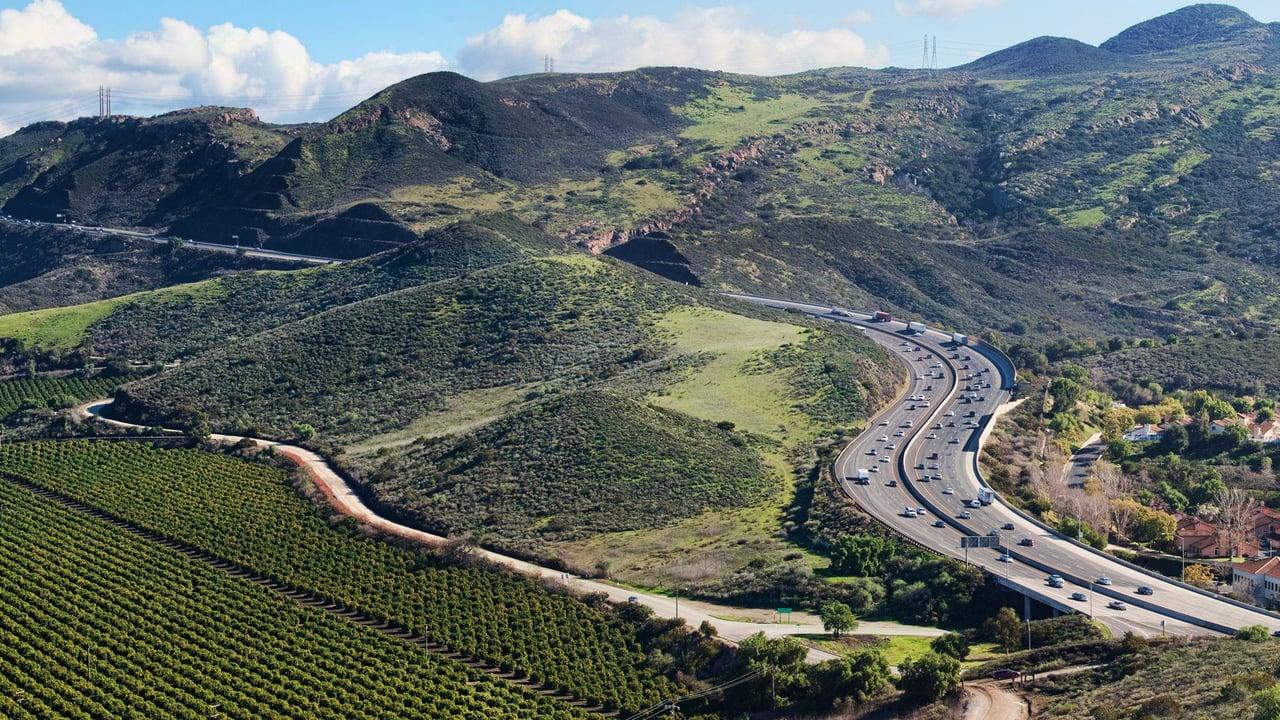
Heading east on Highway 101, Camarillo begins disappearing behind you.
The freeway starts climbing.
The agricultural plain falls away. The hills move closer. The road curves upward through the Santa Monica Mountains until, eventually, you crest the Conejo Grade and arrive in the Conejo Valley.
It's not a county line.
It's not even a city boundary.
But somehow, Ventura County changes.
The landscape changes.
The neighborhoods change.
The weather can feel different.
Where people shop changes.
Where they spend their weekends changes.
Even the direction people instinctively look when thinking about work, entertainment and daily life begins to shift.
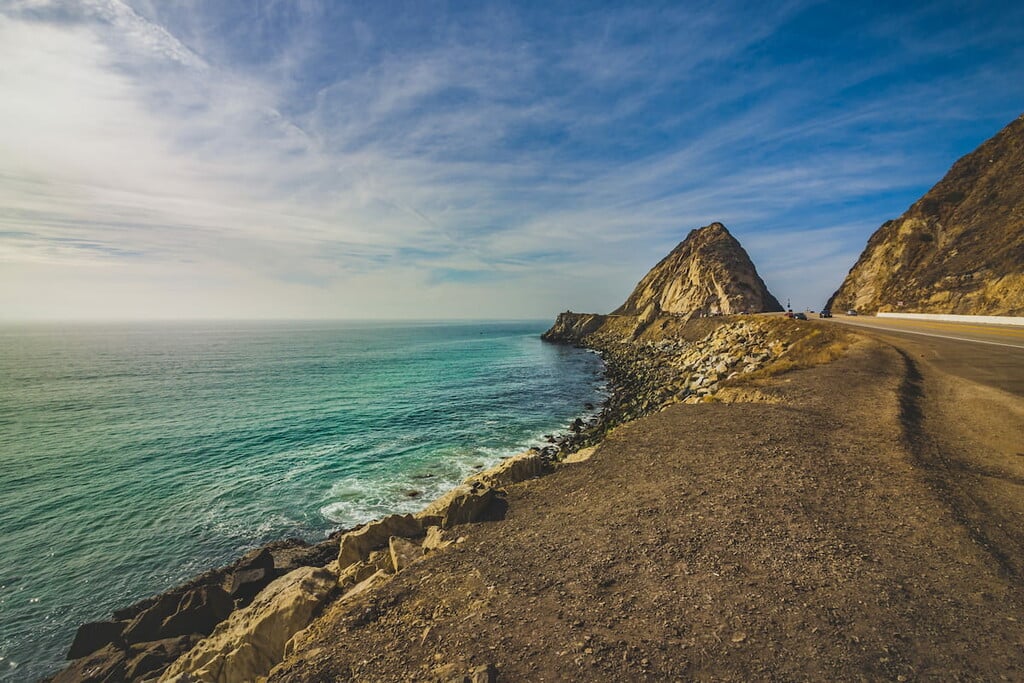
On one side of the Grade, Ventura County seems to face the Pacific.
On the other, it begins turning toward Los Angeles.
And if you really want to understand Ventura County, especially if you're deciding where within it you want to live, the Grade might be one of the most important dividing lines nobody puts on a map.
Before the Climb
Start in Ventura and head east.
This side of the county has a rhythm that's difficult to mistake.
The Pacific is part of everyday life in a way that goes beyond going to the beach. Marine air moves inland. Surfboards appear on cars during the morning commute. Downtown Ventura can transition from coffee on Main Street to standing near the ocean in minutes.
You might start a Saturday morning at CAJÉ Coffee Roasters – Ventura in a historic house just off Main Street, spend the afternoon downtown, and finish the day near the water without ever feeling like you've crossed into a different destination.
Travel toward Oxnard and the landscape changes again.
The city meets working agricultural land. Neighborhoods, commercial corridors and strawberry fields exist remarkably close to one another. Head toward the coast and you find another version of the community altogether around Channel Islands Harbor and the beaches.
Then comes Camarillo.
Camarillo occupies an interesting middle ground in this story.
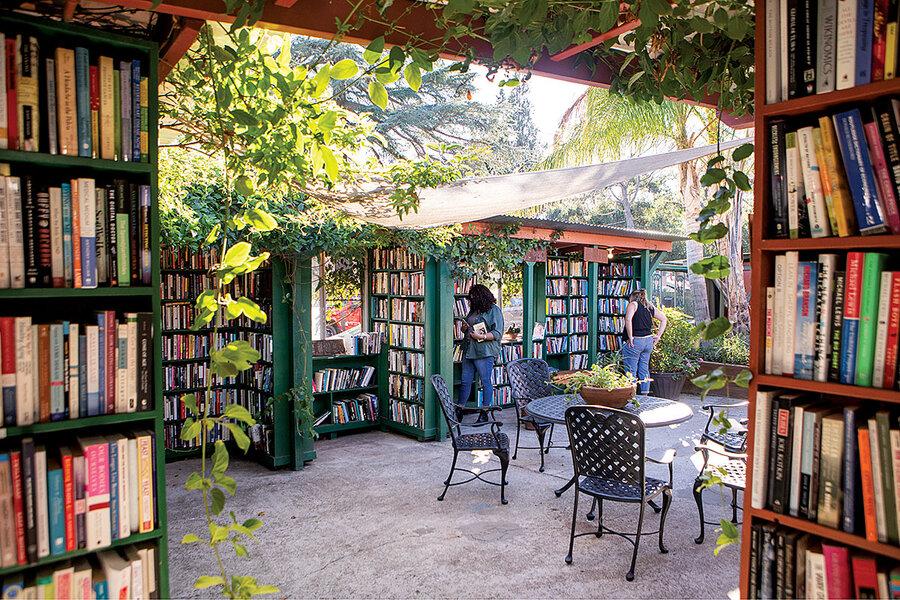
It has suburban neighborhoods and major shopping destinations, but agriculture remains visibly close. You can still browse an independent bookstore like The Bookworm and, within a short drive, find yourself looking across fields toward the surrounding hills.
Then Highway 101 begins to rise.
And everything starts changing.
The Grade Is More Than a Hill
The Conejo Grade is a relatively short piece of freeway.
But psychologically, it can feel much larger.
Anyone who has commuted it regularly understands this.
People don't say they're driving "east on the 101."
They say they're going up the Grade.
And when they're coming back toward Camarillo?
They're going down the Grade.
That language tells you something.
The Grade isn't simply part of the commute.
It's a threshold.
Climb it and the broad Oxnard Plain disappears behind you. The elevation rises. The Pacific influence becomes less immediate. The terrain becomes more enclosed by ridgelines and oak-covered hills.
And then you arrive in an entirely different version of Ventura County.
Welcome to the Conejo Valley
The Conejo Valley includes Thousand Oaks, Newbury Park and the Westlake Village area, with neighboring communities extending the broader Conejo Valley identity beyond Ventura County itself.
The name is appropriate.
Conejo means rabbit in Spanish.
But what defines the valley today isn't rabbits.
It's the feeling of being contained within a landscape.
Mountains and open space frame neighborhoods rather than sitting somewhere far in the distance.
Thousand Oaks itself has long emphasized the relationship between development and its natural surroundings. Trails, open-space areas and mature oak trees are woven throughout the community.
That creates a very different experience from the flatter coastal plain below the Grade.
Neither is better.
They're simply different.
And those differences become especially obvious when you look at how people actually live.
A Different Kind of Saturday
Imagine Saturday morning in Ventura.
Coffee downtown.
Maybe a walk toward the beach.
Lunch on Main Street.
An afternoon near the water.
Now imagine Saturday in Newbury Park.
You could grab coffee at Ragamuffin Coffee Roasters, then head toward the trails around the Santa Monica Mountains or Rancho Sierra Vista/Satwiwa.
Or perhaps you're in Thousand Oaks, where the day revolves around youth sports, hiking, shopping, restaurants and community activities spread throughout a much more suburban environment.
Continue toward Westlake Village and the character shifts yet again.
The lake, landscaped neighborhoods, restaurants, offices and retail create an environment that feels increasingly connected to the western edge of Los Angeles County.
These aren't tourist itineraries.
They're examples of how geography quietly influences daily life.
Where you live changes what feels normal.
And that's one of the most overlooked parts of choosing a community.
Ventura County Doesn't Have One Lifestyle
This is where conversations about Ventura County real estate often become too simplistic.
Someone relocating here might look at a map and see Ventura, Oxnard, Camarillo, Newbury Park and Thousand Oaks as a collection of cities within roughly the same region.
Technically, that's true.
Experientially?
Not even close.
Living in Ventura can mean having the ocean woven into your weekly routine.
Oxnard offers everything from established residential neighborhoods and agricultural surroundings to waterfront living.
Camarillo combines suburban convenience with unusually immediate access to the agricultural landscape surrounding it.
Cross the Grade and Newbury Park offers neighborhoods tucked against mountains and open space.
Thousand Oaks brings a larger suburban ecosystem of neighborhoods, parks, trails, retail, employment and cultural amenities.
Westlake Village adds another dimension entirely, with the lake and an orientation that increasingly connects the Conejo Valley with communities farther east.
You could find a beautiful four-bedroom home in several of these places.
But you wouldn't be buying the same life.
The Commute Tells Part of the Story
There's another difference that's impossible to ignore.
Direction.
For many people living in Ventura, Oxnard and Camarillo, daily life tends to remain oriented toward western Ventura County and the coast.
Cross the Grade and Los Angeles becomes increasingly present in the equation.
Thousand Oaks and Westlake Village sit along one of the primary gateways between Ventura County and the San Fernando Valley.
That matters.
It affects commuting.
Employment.
Entertainment.
Family connections.
Airport choices.
Even which direction you drive for dinner.
A household with jobs in Woodland Hills or Calabasas may experience Thousand Oaks very differently than Ventura.
Someone who wants to surf before work may see the same map completely differently.
Neither person is wrong.
They're simply solving for different lives.
Even Coffee Tells the Story
One of the things we love about Ventura County is how local businesses reflect the communities around them.
In Ventura, a neighborhood institution like Simones Coffee and Tea has been part of the city's coffee culture since the 1990s.
In Newbury Park, Ragamuffin Coffee Roasters has become a recognizable local stop.
In the Conejo Valley, the coffee landscape has continued expanding with independent shops scattered throughout Thousand Oaks, Newbury Park and Westlake Village.
That's a small detail.
But small details are what create a sense of place.
Where you get coffee.
Where your kids play soccer.
Which trail you walk.
Where you meet friends for dinner.
Which farmers market becomes part of your weekend.
Which direction you instinctively drive when you need something.
Eventually, those routines stop feeling like amenities.
They start feeling like home.
The House Isn't the Whole Decision
This is where understanding Ventura County becomes especially important for homebuyers.
People naturally begin with the house.
How many bedrooms?
How much square footage?
What's the lot size?
What are the schools?
How much does it cost?
All important questions.
But there's another question that should probably come earlier:
What do you want your ordinary Tuesday to feel like?
Because that's what you're really buying.
Not the Saturday afternoon when you're exploring your new neighborhood.
The Tuesday morning six months later.
The commute.
The school drop-off.
The coffee run.
The grocery store.
The evening walk.
The twenty-minute decision about where you're going to dinner.
The house matters enormously.
But the life surrounding the house is what you'll experience every day.
Two Sides of the Same County
There's a temptation in conversations like this to declare a winner.
Coast versus Conejo Valley.
Ventura versus Thousand Oaks.
Below the Grade versus above it.
That misses the point entirely.
What makes Ventura County remarkable is that both experiences exist here.
You can choose the coastal energy and historic character of Ventura.
The diversity and waterfront possibilities of Oxnard.
The agricultural surroundings and suburban convenience of Camarillo.
The mountain-backed neighborhoods of Newbury Park.
The established suburban environment and extensive open space of Thousand Oaks.
Or the distinctive lake-centered setting of Westlake Village.
All within the same broader region.
The question isn't which one is better.
It's which one feels more like you.
The Ventura County Perspective
The next time you're driving east from Camarillo and Highway 101 begins climbing, pay attention.
Watch the farmland disappear behind you.
Notice the hills closing around the freeway.
Feel the elevation change.
Then look around when you reach the top.
You'll still be in Ventura County.
But you won't be in quite the same Ventura County you left a few minutes earlier.
Maybe that's why "the Grade" means something different to locals.
It's more than a steep stretch of Highway 101.
It's an unofficial dividing line between two ways of experiencing this county.
Below it, Ventura County stretches toward farmland and the Pacific.
Above it, the county turns toward mountains, valleys and Los Angeles.
Neither side tells the entire story.
Together, they do.
And if you're trying to decide where in Ventura County to call home, perhaps the most important question isn't simply which city you prefer.
It's much more personal:
Which side of the Grade feels like home to you?