There’s a running joke among Ventura locals that the city has been “discovered” three different times in the last twenty years: first by surfers, then by LA creatives, and then by people who just wanted to live near the beach without spending $3M for a teardown. But the version of Ventura that’s emerging today isn’t just another coastal California town that got popular. Something more interesting is happening, and you can see it most clearly downtown.
Walk along Main Street on a Saturday afternoon and you’ll notice it immediately. The promenade is filled with outdoor diners, families walking dogs, cyclists moving through without the anxiety that comes with California traffic, and visitors looking around as if they’ve found something they weren’t expecting. There’s a subtle energy shift, the feeling of a city reshaping its identity organically, not by force.
Downtown Ventura used to be a place locals went for errands or a quick bite. Today it’s a lifestyle node. It’s where people gather, where remote workers set up with laptops at cafés, where friends choose to meet instead of driving down to LA, and where tourists extend their day-trip into a weekend stay. And while the city continues to debate the logistics of Main Street’s future, the lifestyle transformation has already happened.
Locals will tell you that Downtown Ventura didn’t “gentrify” in the stereotypical California sense, it matured. It kept its grit, its surf-town familiarity, and its small-city authenticity while adding just enough culinary, cultural, and walkable structure to feel like a place you’d actually choose to live rather than simply pass through.
A big part of the transformation began with food and coffee. Remote workers and hybrid professionals now orbit between cafés like Prospect Coffee Roasters, Palermo Coffee, and Sandbox Coffeehouse. Breweries like Topa Topa Brewing Co. and Ventura Coast Brewing Company gave the city an after-work hub for young professionals who used to drive to Santa Barbara or LA for nightlife. Restaurants like Rumfish y Vino and The Six Chow House shifted the dining experience from casual to culinary, while spots like Cafe Fiore kept the long-standing downtown fabric intact.
Even live music shifted. When touring artists started booking shows at the historic Majestic Ventura Theater again, it signaled something subtle but important: Ventura wasn’t just a beach town, it had cultural draw.
From a residential standpoint, this matters for a very specific type of buyer: lifestyle-driven buyers. The ones who ask not just “How many beds?” but:
• Can we walk to coffee?
• Is there a farmer’s market nearby?
• Where do locals spend weekends?
• Can we surf before work?
• Do we need to drive everywhere?
• Is there a creative community?
These are not fantasy buyer profiles. They are the exact profiles moving to Ventura from Los Angeles, Orange County, Northern California, and even New York.
And the math is shifting in Ventura’s favor.
Consider the contrast: Santa Monica, Venice, and West LA offer coastal walkability and culture, but at prices that regularly force buyers into $2.5M+ budgets, and even then, new buyers may still be living blocks from the beach, without parking, and without the pace of life they originally imagined.
Santa Barbara offers prestige and beauty, but at valuations that make entry nearly unattainable for families looking for space. Meanwhile, Orange County delivers polish, but often at the cost of spontaneity and character.
Ventura threads a different needle: it’s coastal, livable, human-scaled, culturally interesting, and still (relatively) affordable.
This is why Ventura appeals so strongly to the hybrid buyer: the buyer who wants to surf in the morning, take calls in the afternoon, meet friends for dinner in the evening, and not spend their entire life sitting in traffic. These buyers are increasingly choosing places that offer “lifestyle density”, where recreation, culture, dining, schools, and community are all within a short radius.
Downtown Ventura is becoming that radius.
It’s changing how locals interact with the city. It’s attracting relocation buyers who previously wouldn’t have considered Ventura. And it’s giving prospective sellers new leverage in the modern marketplace.
But perhaps the most compelling part of Ventura’s evolution is what hasn’t changed. The city has resisted the over-curated, over-manufactured feel that overtook many California coastal cities. You still see surfers walking the street barefoot. You still find long-standing mom-and-pop businesses alongside new concepts. You still hear live music spilling out of bars without pretense.
This blend of authenticity and emergence is extremely rare, and the market notices. Investors notice. Buyers notice. And even locals who once worried Ventura might lose its identity are starting to appreciate the balance.
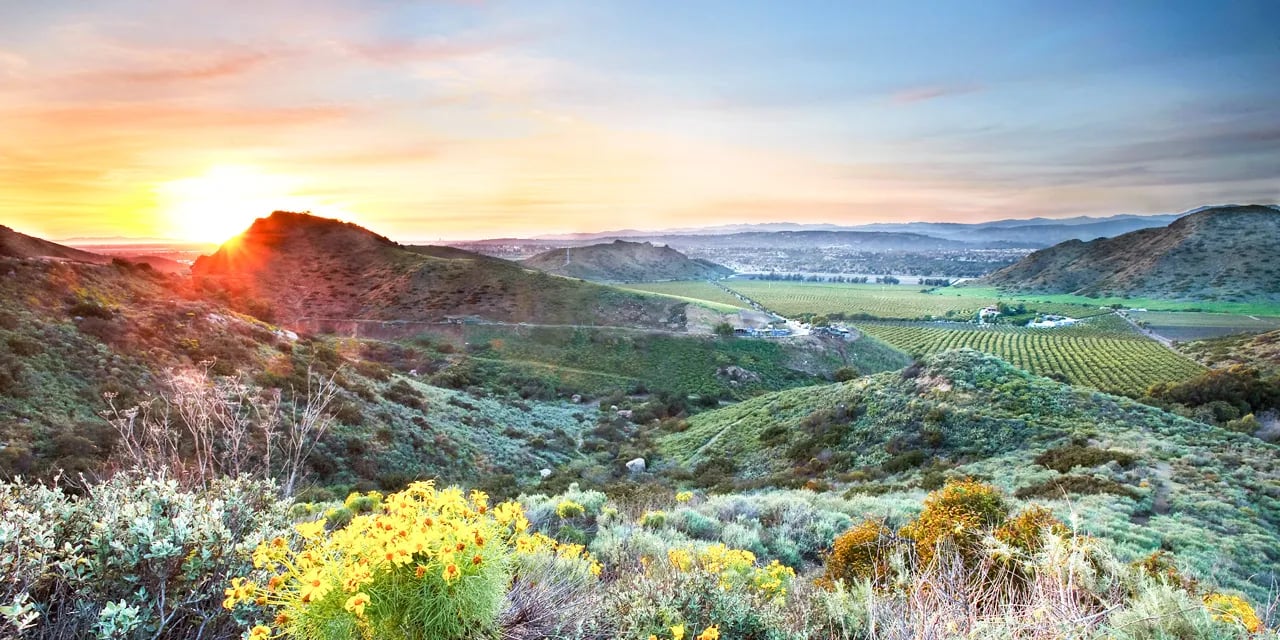
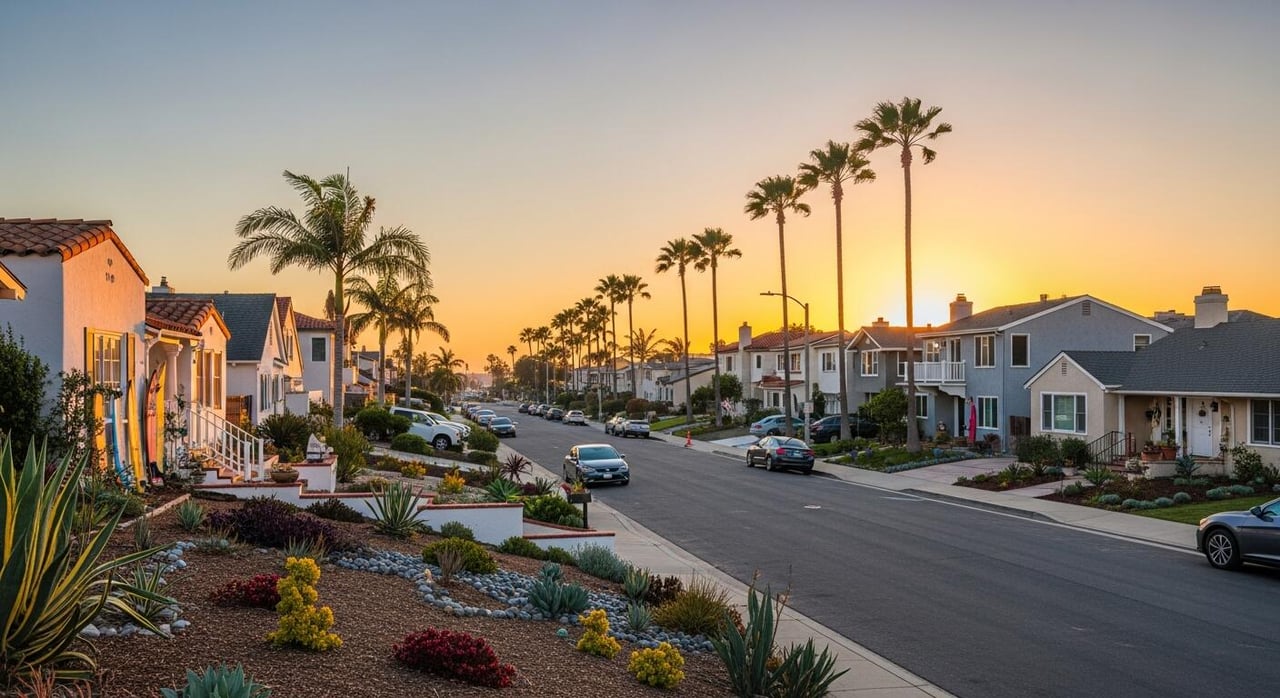
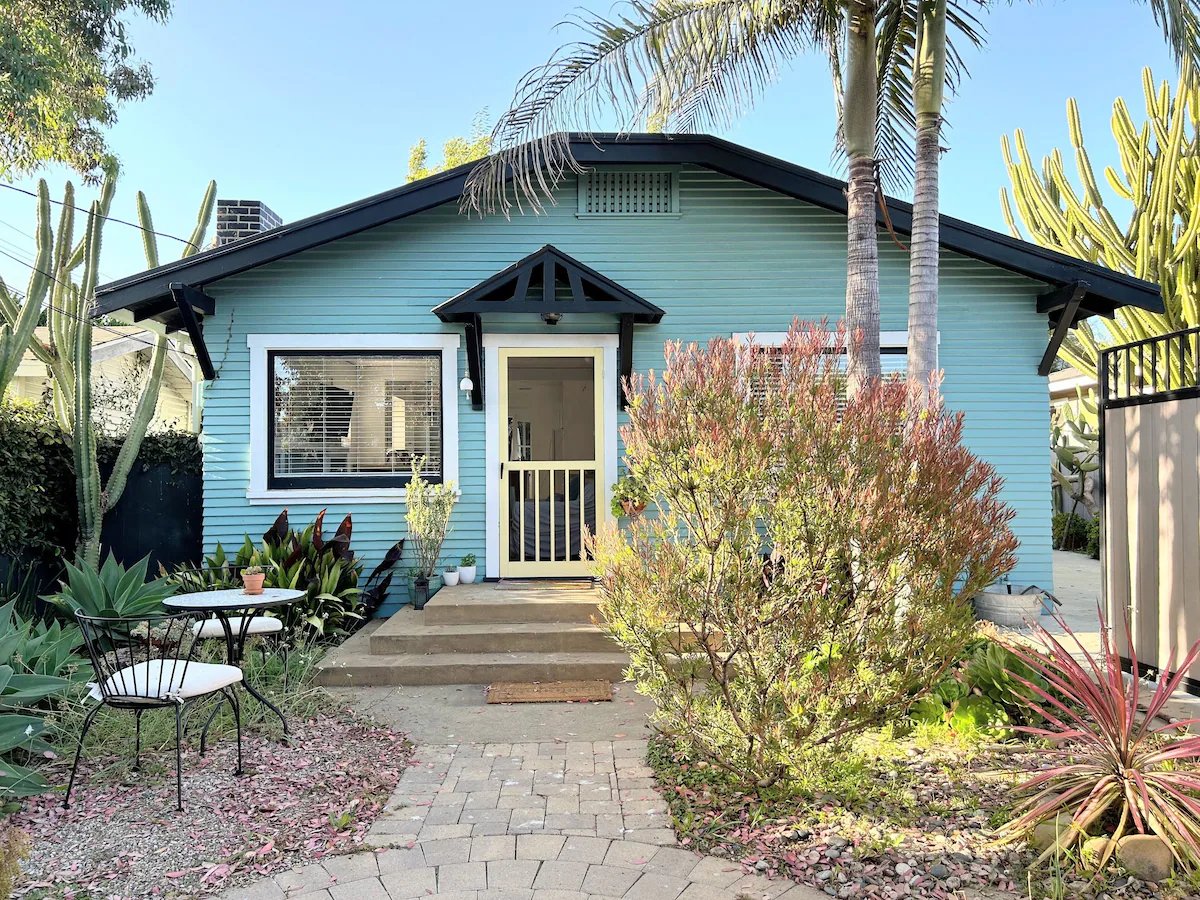
From a real estate standpoint, downtown’s influence extends beyond downtown. Buyers who fall in love with Main Street often end up buying in Midtown. Buyers who discover the pier end up in Pierpont. Buyers who connect with Ventura’s creative energy explore hillsides with ocean views. And buyers drawn to walkability sometimes end up in Camarillo or Thousand Oaks for schools and space, while still using Ventura as their cultural hub.
This is what most real estate commentary misses: cities don’t just attract buyers to neighborhoods. They attract buyers to ecosystems, and buyers settle where lifestyle, budget, and access intersect.
Ventura is building an ecosystem.
And that’s why people are taking notice.
If you’re trying to understand whether Ventura County aligns with your lifestyle, or where in Ventura County you would actually belong, that conversation matters more than browsing listings.
Ventura isn’t one-size-fits-all. The buyer who thrives downtown is not the buyer who thrives in Pierpont, or Oxnard Shores, or Camarillo, or Ojai. The only mistake is assuming they’re interchangeable.
If you’re exploring Ventura County, tell us how you want to live, and we’ll match you with a local expert who specializes in the neighborhoods that fit your life, not just your budget.